
Hurricane Preparedness
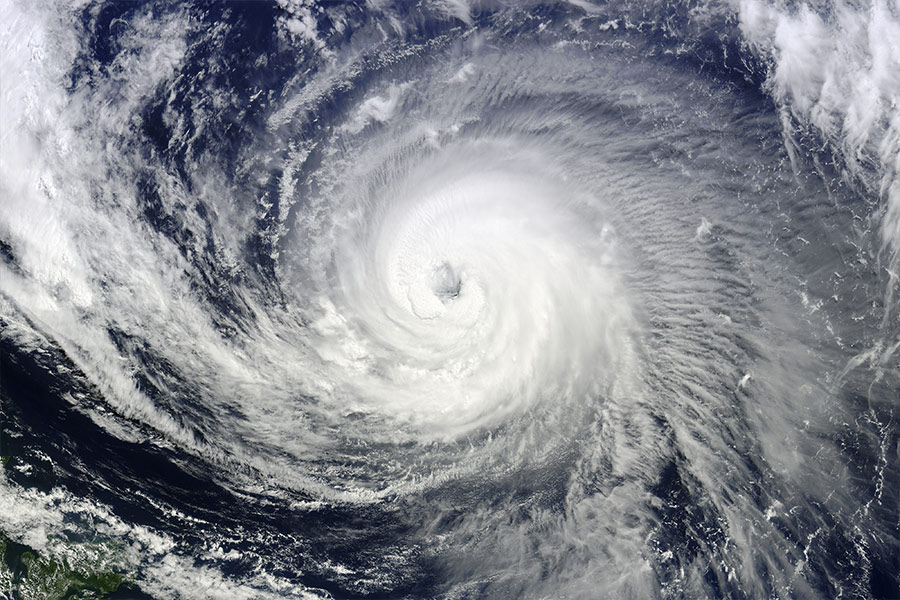
Track hurricanes in real-time at The National Hurricane Center.
Hurricane season is from June 1st through November 30th, with the season peaking mid-August to late October.
Glen Eden HOA emergency preparedness rules:
All residents are responsible for ensuring that their property is secured at least twelve hours prior to the approach of a tropical storm or hurricane. Storm season typically runs from June 1st to November 30th. If your home will be left unattended for any time during this period, to safeguard your neighbors as well as yourself you shall:
- Store all loose items in an enclosed area (in garage or behind closed shutters). Of particular importance are potted and hanging plants, pool furniture and accessories, gas grills, statuary and other outside decorations. The post for security signs must be driven well into the ground. It is EXTREMELY IMPORTANT you take the time to clear your lanai and entry of EVERYTHING. The smallest item can become airborne, become a projectile, and damage your or your neighbor’s property
- Seasonal residents shall designate a home watch company or an individual to be responsible for checking the home to be certain that it is secure. It is imperative you fill out an Emergency Contact form* giving the name and phone number of a home watch company or local individual with your key who can act for you in an emergency in your absence – someone the association can call if something needs immediate attention on your property. The names of the responsible parties will be provided in writing to the Board of Directors and Resort Management prior to leaving for prolonged period of time.
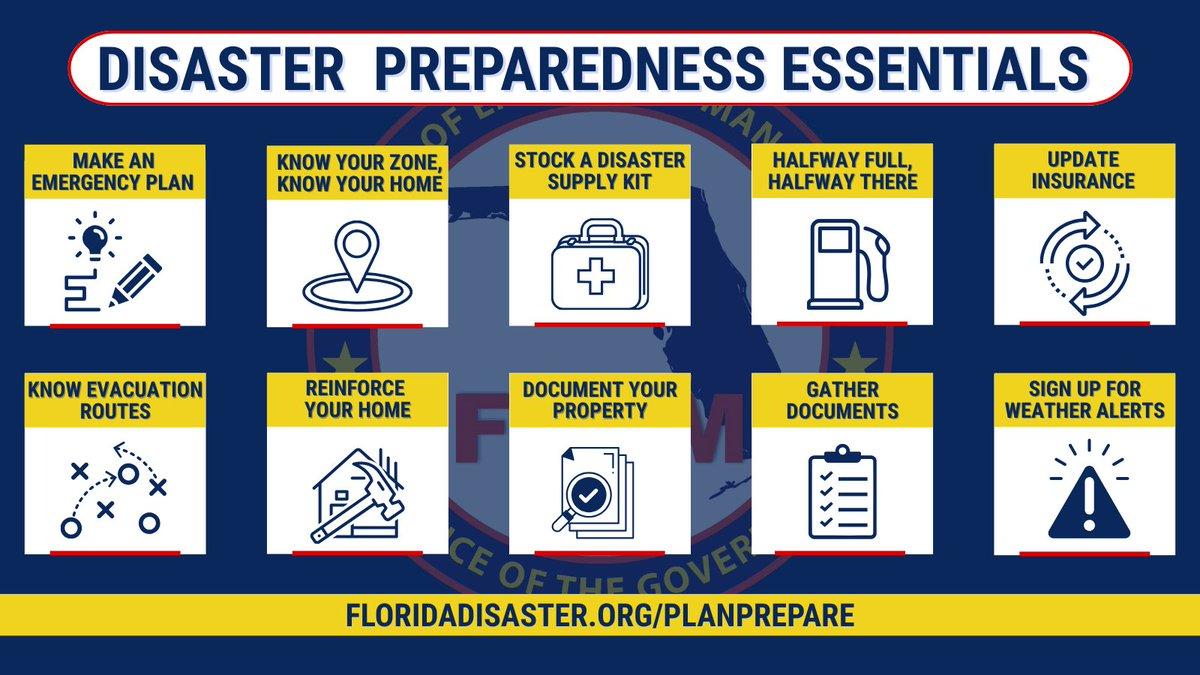
Are You Ready?

- STORM SHUTTERS: If your plans include installing hurricane shutters, it is the responsibility of the homeowner to submit a request to the Architectural Review Committee by filling out an ARC form available from the website. The request should include detailed information sufficient for effective evaluation, such as drawings, sketches, and descriptions. The proposed contractor should be identified, and any disclaimers in his bid proposal should be provided.
- COVER ALL DOORS AND WINDOWS OF YOUR HOME: If shutters have not been installed, use pre-cut plywood. NOTE: Tape does not prevent windows from breaking. All of the doors and windows should be closed (and shuttered) throughout the duration of the hurricane. The pressure differences between inside your house and outside in the storm do not build up enough to cause any damaging explosions. (No house is built airtight.) The winds in a hurricane are highly turbulent, and an open window or door can become an open target to flying debris. All exterior windows should be boarded up with either wooden or metal shutters.
- GARAGE DOOR: On the inside, secure it with a brace, or back your car up against the garage door to prevent it from blowing in (which is NOT the recommended preference of FEMA).
- PATIO DOORS: Insert wedges in all doors and sliding patio doors. Doors that open inward will have to be wedged and bolted so that strong winds don’t blow the doors open and expose the entire house to damaging winds. Placing a large piece of furniture next to the door will also help. If unprotected patio doors are not wedged, the damaging winds will lift them from their track, allowing wind to enter.
- INSURANCE: Review your policy and coverage BEFORE the start of hurricane season. Most homeowner’s policies do not cover damage from the flooding that accompanies a hurricane. There is a 30-day waiting period before coverage begins on a new flood insurance policy. Most insurance companies will not write new policies once a tropical depression, tropical storm, or hurricane develops. PLAN AHEAD. Videotape, photograph, or record in writing an inventory of all your belongings. Do not forget to photograph the trees on your property.
Pets Must Have:
- A safe destination arranged in advance – specialized pet shelters, animal control shelters, veterinary clinics, or friends and relatives out of harm’s way.
- Proof of current vaccinations
- A current photograph
- Leash and collar with ID
- Properly sized pet carrier
- Medications
- Three-day supply of food water
- Familiar bedding and toys
- Ask your vet about getting pet microchipped if they get lost
Assemble a Hurricane Survival Kit:
Prepare your “Hurricane Survival Kit” BEFORE it becomes necessary. Stock up a little at a time during the weeks preceding storm season. Rotate your food supplies by using them when hurricane season ends. Collier County Emergency Management recommends you be prepared to survive on your own for at least three days. Here is a list of suggested items you may want to have ready. If you need to evacuate – take your survival kit with you.
- 1 gallon of water per person per day
- Non-perishable food such as canned meats, canned soups, dried fruits, cereal, crackers, cookies, coffee, tea, peanut butter and jelly, pudding, prepared foods
- Manual can opener(s)
- Disposable plates, glasses and utensils
- Paper towels
- Trash bags
- Children’s activities
- Prescription medications – 2 week supply. Written prescription in case you leave the area.
- Current list of family physicians and important family health information
- Battery-operated TV or radio and lots of spare batteries
- Flashlights, lantern and extra batteries and bulbs
- Pillows and blankets
- Sleeping bags
- Towels
- Toilet paper & bathroom items
- Change of clothing & sturdy shoes
- Rain gear, rubber boots
- Extra pair of glasses
- Waterproof matches (or keep them in a HEAVY zip lock bag)
- Camera & film
- Tarp
- Sunscreen
- Mosquito repellent
- Bleach (without additives or scent) or water purification tablets
- Soap and detergent
- Cleaning supplies
- Charcoal and lighter fluid
- Coleman type stove
- 2 large coolers (one for food; one to go get ice)
- First-aid kit
- Bandages
- Antiseptic
- Aspirin and non-aspirin pain reliever
- Anti-diarrhea medication
- Antacid
- Syrup of Ipecac (used to induce vomiting if advised by the Poison Control Center)
- Tape
- Compresses
- Rubber gloves
- VALUABLE PAPERS – Put copies of important documents (insurance policies, birth certificates, marriage licenses, credit cards and financial papers, etc.) in heavy waterproof bags and place in your Disaster Supply Kit .Store the originals in a fireproof, waterproof container or better yet, offsite in a safety deposit box.)
- *Don’t forget the family pictures! They usually are not replaceable!
- CASH – have sufficient cash on hand because banks will most likely remain closed after a hurricane, and ATM machines could be inoperable.
- SHELTERS – find out where they are located.
- CAR – fill with gas; have extra set of car keys. Consider keeping a spare set in your emergency supply kit.
What do when a hurricane WATCH is issued:
- Listen to NOAA Weather Radio or local radio or TV stations for up-to-date storm information.
- Prepare to bring inside any lawn furniture, outdoor decorations or ornaments, trash cans, hanging plants, and anything else that can be picked up by the wind.
- Prepare to cover all windows of your home. If shutters have not been installed, use precut plywood Note: Tape does not prevent windows from breaking, so taping windows is not recommended.
- Fill your car’s gas tank.
- Check batteries and make sure you are stocked up on canned food, first aid supplies, drinking water, and medications to live on your own for at least 3 days.
- Turn refrigerator and freezer to coldest settings
- Open only when absolutely necessary and close quickly.
- Store drinking water in, jugs, bottles, and cooking utensils.
- Fill your bathtub with water for flushing your toilet.
- Moor boat securely or move it to a designated safe place. Use rope or chain to secure boat to trailer. Use tie-downs to anchor trailer to the ground or house.
- Review evacuation plan.
- Store valuables and personal papers in a waterproof container on the highest level of your home.
- KEEP YOUR CELL PHONES CHARGED TO CAPACITY – Consider investing in a spare phone battery in case of power failure and you cannot electronically recharge. Another possibility is recharging through an adaptor plugged into your car cigarette lighter.
What to do when a hurricane WARNING is issued:
- Complete preparation activities.
- Listen to the advice of local officials, and EVACUATE if they tell you to do so.
- If you are not advised to evacuate, stay indoors, away from windows.
- IF EVACUATION WAS ADVISED AND YOU HAVE NOT DONE SO WHEN THE HURRICANE ARRIVES, SHELTER IN PLACE.
- If power is lost, turn off major appliances to reduce power “surge” when electricity is restored. Be aware that the calm “eye” is deceptive; the storm is not over. The worst part of the storm will happen once the eye passes over and the winds blow from the opposite direction. Trees, shrubs, buildings, and other objects damaged by the first winds can be broken or destroyed by the second winds.
- Be alert for tornadoes. Tornadoes can happen during a hurricane and after it passes over. Remain indoors, in the center of your home, in a closet or bathroom without windows.
- Stay away from flood waters. If you come upon a flooded road, turn around and go another way. If you are caught on a flooded road and waters are rising rapidly around you, get out of the car and climb to higher ground.
What to do if officials indicate EVACUATION is necessary:
- Leave as soon as possible. Your life could be in danger.
- Unplug appliances. Turn off electricity, gas and main water valve.
- Tell your designated family contact or someone outside of the storm area where you are going.
- If time permits, and you live in a surge or flood zone, elevate furniture to protect it from flooding. If you have the option, move it to a higher floor.
- If you evacuate or go to a shelter, take your Disaster Supply Kit, warm protective clothing, blankets and sleeping bags with you.
- Lock up home and leave!
- Avoid flooded roads and watch for washed out bridges.
Mandatory Evacuation
Glen Eden is located in a coastal high hazard area. If a MANDATORY EVACUATION is ordered, it means “Leave Now”. Staying will be completely and entirely at your own risk.
- Upon the storm’s approach, a mandatory notice is issued once the winds exceed 40 mph. All emergency personnel are required to seek shelter until the storm passes or until travel is deemed safe.
- No safety personnel will be allowed to risk their lives to save you if you insist on staying – no police, no fire, no EMS.
- No essential services will be maintained for the area. Service systems will not be repaired if they break down or become damaged during the designated time of the emergency. That means the possibility exists for no power, no water, no sewage or waste service – nothing until such time as the area is declared safe for emergency service personnel to return and the facilities are restored. If bridges are suspect after high winds, they must be inspected for safe use.
- You can expect no government intervention or support.
- If and when that MANDATORY EVACUATION order is issued (upon the storm’s approach once the winds exceed 40 mph), enact your own emergency plan without delay.
- If you are unable to stay with friends or family, and no hotels/motels rooms are available, go to a shelter.
- Bring your disaster supply kit (including food and water) with you. Shelters are not designed for comfort, and do not usually accept pets.
What are the consequences of staying? The simple answer: “You are in harm’s way. You could die”. Will I be arrested if I stay? Not likely, but why would you want to?
After The Storm
The storm is over. The danger isn’t. Flooded roads, washed out bridges, downed power lines, gas leaks, damaged wiring, snakes and your own fatigue and impatience all pose continuing risks at a time when local medical facilities may already be stretched to the limit. Now more than ever, heed the advice of emergency management officials and follow the guidelines outlined here.
Survive the storm’s aftermath as successfully as you have survived the storm.
- The greatest threat to human life from a land-falling hurricane is NOT THE WIND; it is the STORM SURGE and RESIDUAL WATER.
- Listen to the radio, TV or NOAA Weather Radio.
- Keep abreast of road conditions through the media. Wait until an area is declared safe before entering.
- Do not attempt to drive across flowing water. As little as 6″ of water may cause you to lose control of your vehicle – 2 feet of water will carry most cars away.
- If you see water flowing across a roadway, TURN AROUND AND GO ANOTHER WAY.
Many people have been killed or injured driving through flooded roadways or aroundbarricades. Roads are closed for your protection.
- Do not allow children, especially under age 13, to play in flooded areas even if it appears safe. Many people have been killed or injured trying to rescue others in flooded areas.
- Stay away from standing water. It may be electrically charged from underground or downed power lines.
- Have professionals check gas, water and electrical lines and appliances for damage.
- Use a flashlight for emergency lighting. Never use candles and other open flames indoors.
- Use tap water for drinking and cooking ONLY when local officials say it is safe to do so.
- Use the telephone only for emergency calls.
Tips from the experience of our residents
- Know the elevation of your lot.
- Empty your heaping ice cube bin. Without electricity, your cubes will revert to water and leak from your freezer door.
- Freeze milk jugs or plastic containers of water to maintain perishable food in coolers. They can also be a source of drinking water.
- Keep an “old fashioned” plug in the wall phone that will work even if electrical power is out (and phone lines are working). Portable phones need electrical power.
- Charge your cell phones to their maximum level. If you have an extra battery, make sure that is charged too.
- Charge your rechargeable flashlights, search lights, etc.
- Several residents mentioned purchasing a small battery operated TV (& rabbit ears) to watch the news coverage.
- Use solar outdoors lights as temporary lighting. Set them up in the day to collect sunlight. Bring them in at night to light the house.
- Use a garage door stabilizer or let your car do that job by snuggling it up against the garage door.
- Storm shutters ranked high on everyone’s list.
- Have at least one shutter operate manually so it will remain operational during a power outage.
- Use the new clear shutter for at least one window so it will be possible to see whatis happening outdoors.
- Fill the bathtub in case you are without water for commodes.
- Don’t leave ANYTHING on your lanai (especially important for those who leave for periods of time). Anything could become a destructive missile if picked up by the wind.
- Find an air-conditioned place to go during the day if your power is lost
Attend a hurricane seminar
Check with Collier County Emergency Management for specific information (239) 774-8000.